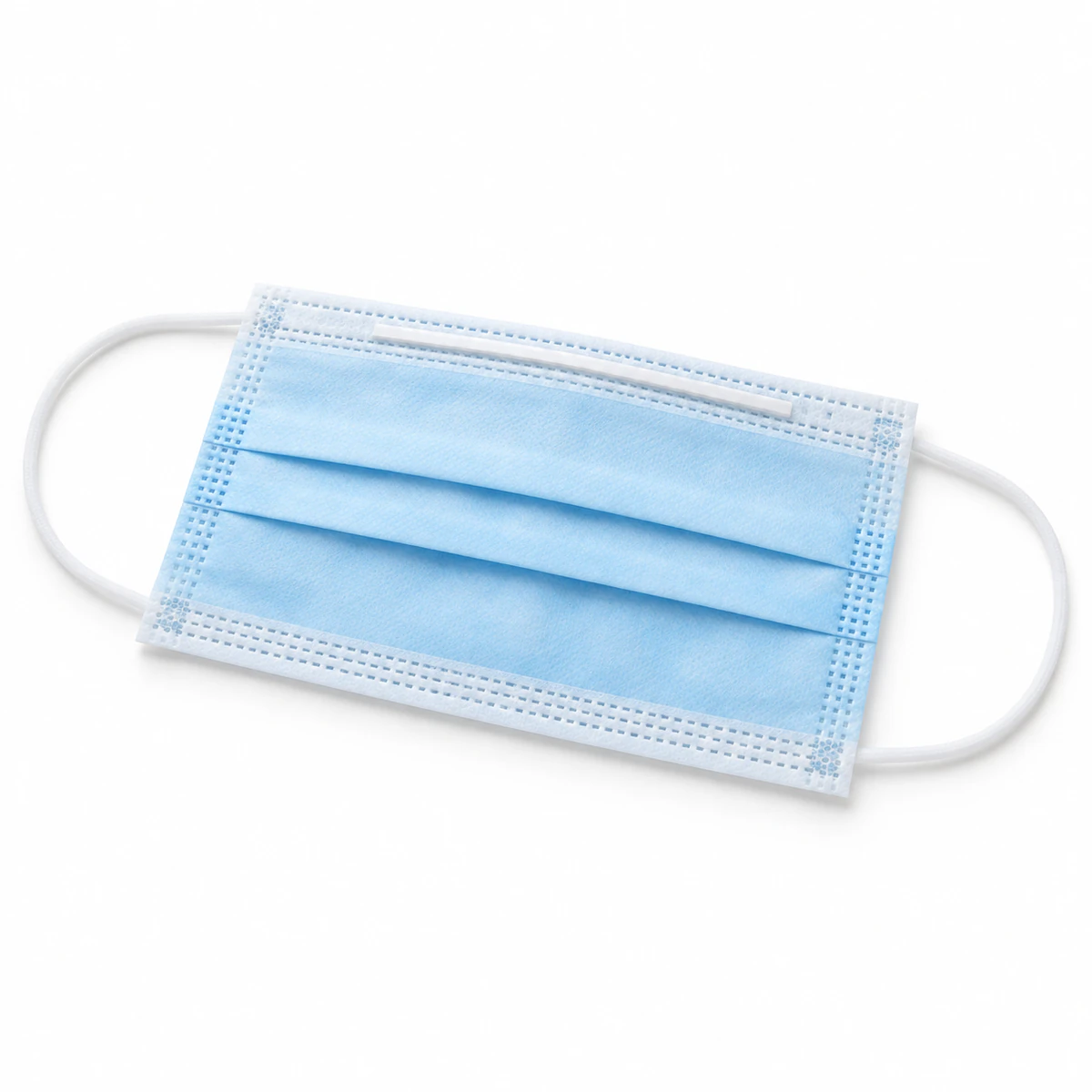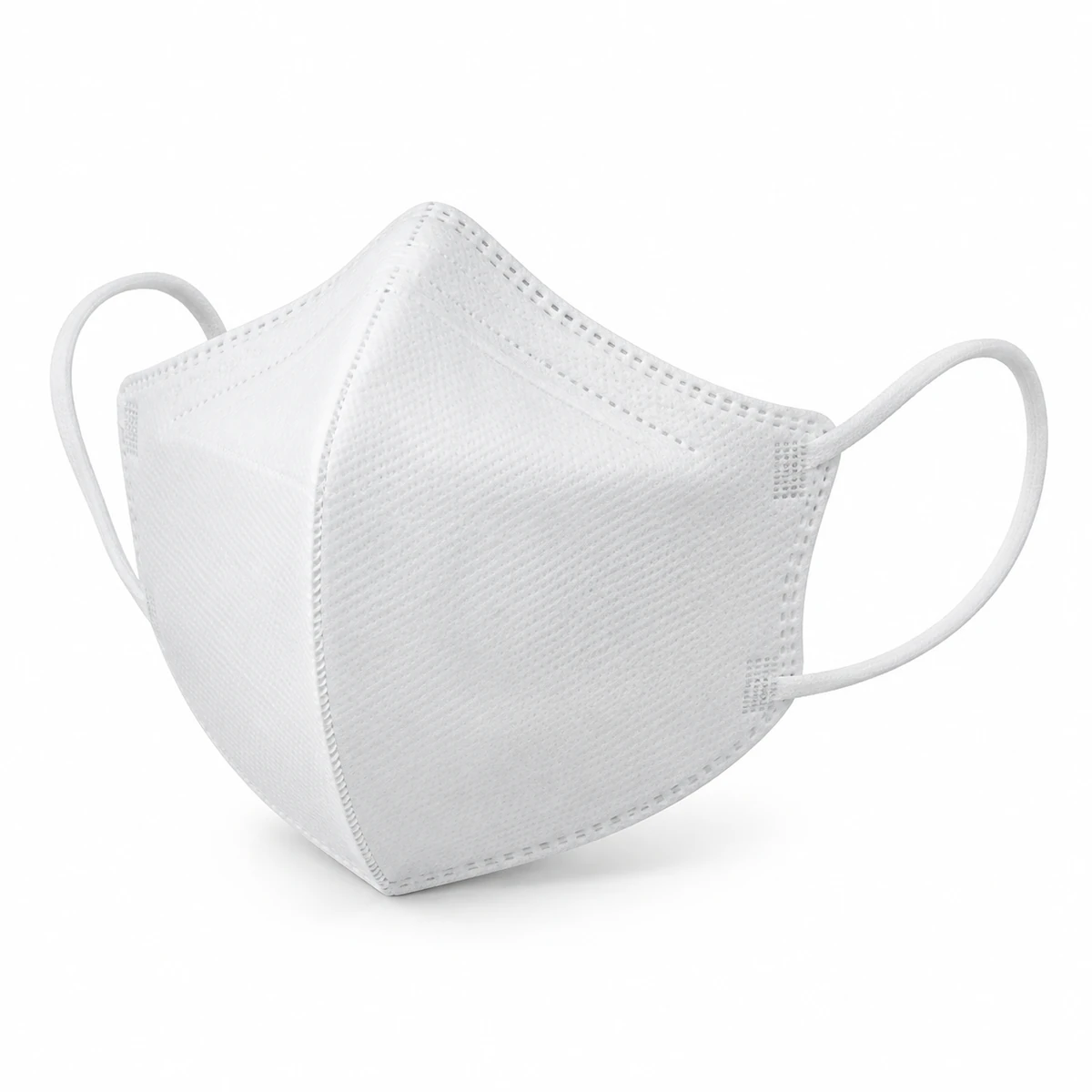
- Reference the previous approved specification.
- Record the new quantity and every requested change.
- Reconfirm quotation, schedule and destination.
A repeat face mask order should reference the previous approved model, sample, artwork and packing, then confirm the new quantity, current quotation, production schedule and destination. Tell the supplier explicitly what stays the same and what changes. A previous order number is a useful starting point, but does not by itself define every condition of the next purchase.
This checklist is for distributors, importers and brand owners replenishing non-medical disposable masks. It helps turn a short “same as last time” message into an order brief that purchasing, production and receiving teams can all review.

Jump to a section · 9 topics
- Start repeat face mask orders with the approved reference
- Build a change log before asking for a new quote
- Reconfirm quantities and commercial conditions
- Use artwork revision control for repeat private label orders
- Refresh shipment information for the actual destination
- Check the production schedule and receiving plan
- Copy this distributor reorder brief
- Frequently asked questions about repeat wholesale orders
- Make the next order a clear continuation of the last
Start repeat face mask orders with the approved reference
Give the supplier the earlier purchase order or quotation reference and identify the product line you want to repeat. Attach the specification revision and, where relevant, the approved sample reference. If the earlier order contained several styles, say which ones are included this time.
Keep the reference to the actual product rather than to a broad description such as “blue masks.” The mask product range can help you identify the listed model, but your agreed specification should preserve the details of the previous purchase.
If the previous shipment raised a receiving or product question, include it before requesting the new quote. Explain the observation, the affected version and any agreed corrective change. Ask which reference will govern the next order so an old specification does not override the improvement.
Build a change log before asking for a new quote
| Order element | What to confirm for replenishment |
|---|---|
| Product | Model, specification revision and approved sample reference. |
| Quantity | New total and the split by style, colour, design and packing version. |
| Artwork | Previous approved file or an identified replacement revision. |
| Packing | Inner count, carton arrangement, labels and any new receiving instructions. |
| Documents | Required records for the product, customer and destination of this order. |
| Schedule | Current availability, production starting conditions and target shipment date. |
| Commercial basis | Current quotation, currency, validity, agreed terms and delivery point. |
Mark each item unchanged, changed or awaiting confirmation. Where you request a change, describe it on the same line. Send one consolidated version of the brief to reduce conflicting instructions from different members of your team.
Reconfirm quantities and commercial conditions
State the quantity for the new purchase independently of your long-term forecast. If you expect further replenishment, label that volume as an estimate. Ask the supplier to confirm the applicable minimum for each regular or custom version in the actual order.
Qianniu gives a regular-order starting quantity of 1,000 pieces, while custom quantities are agreed per project. The regular and custom MOQ guide explains how to show the split. A previous custom order does not establish a universal minimum for all future designs or pack versions.
Ask for a current quotation and identify any changes in its scope. Reconfirm the product specification, packing and delivery basis before comparing the new figure with an earlier offer. Keep quotation validity and any separate project charges visible in your purchasing record.
Use artwork revision control for repeat private label orders
Send the approved artwork reference even if the design looks unchanged. A logo update, corrected text, language change or new customer code can make the next pack a different version. Ask the supplier to acknowledge the file and the product line it applies to.
If a design changes, confirm which proof or physical sample is needed before production. Use the custom packaging buyer brief to keep pack details and approval responsibility clear.
A repeat order should also preserve what you intend to keep. List unchanged colour and packing references explicitly. That gives the supplier a defined basis for reviewing any request to alter a material, component or pack rather than treating an alternative as automatically acceptable.
Refresh shipment information for the actual destination
Confirm the receiving party, country and requested delivery location for every order. A distributor may change warehouse, consignee or forwarding arrangements between purchases. Ask who is responsible for preparing and checking the shipment documents under the agreed transaction.
The International Trade Administration's Incoterms overview explains that these rules allocate responsibilities between buyer and seller. State the agreed rule, named place and applicable version when those terms form part of your deal. A familiar abbreviation should not replace a discussion of the actual delivery point.
Review document requirements with the importer or freight forwarder. The ITA's common export documents guide describes commercial invoices, packing lists and transport documents, while noting that requirements vary. These are general references; the documents for your China-origin shipment must be confirmed for its product and destination.
For the Philippines, Indonesia, Thailand or another Southeast Asian destination, include the current destination details in the new enquiry. Do not copy an old freight estimate or arrival date into the new order without confirmation.
Check the production schedule and receiving plan
Ask the supplier to confirm current availability and the conditions that start production timing. Qianniu's regular production reference is 7–10 days, with the schedule confirmed for the actual order. Custom production timing is agreed for the project. Neither is a promise of international delivery within that period.
Share your target receiving date and ask which milestones need review before shipment. Keep artwork approval, product confirmation, production, dispatch and transport as distinct steps. Update the plan if quantities, packing or artwork change.
Prepare the receiving team with the product and pack identification they will see. Ask for final shipment information when available and connect any arrival observations with the correct order reference. This record becomes useful evidence for the next replenishment brief.
Copy this distributor reorder brief
Previous order reference: [reference]
Product and specification: [model and revision]
Items unchanged: [sample, colour, artwork and packing references]
Requested changes: [each change or none]
New quantity: [split by version]
Destination and receiving details: [current information]
Target date: [receiving or shipment target, identified clearly]
Please confirm availability, the current quotation, any new approval requirements, packing information and the production/transport planning basis.
Frequently asked questions about repeat wholesale orders
Can I reuse the earlier quotation for a reorder?
Ask the supplier to confirm a current offer for the new quantity and schedule. The earlier quotation is a useful reference, but its validity and scope may differ from the next purchase. Confirm any change to product, packing, artwork, destination or agreed delivery terms before treating the old figure as applicable.
Do repeat orders always need another sample?
Ask which approval is appropriate for the actual order. An unchanged, clearly identified product may need a different review from an updated design or packing version. Record the supplier's confirmation and your own review requirements. A previous approval should not automatically cover a material change that has not been assessed.
How should distributors explain future demand?
Separate the confirmed purchase from the forecast. Give the quantity you want quoted now, then describe expected later demand as an estimate with its planning period. Ask how the supplier can review that information. Do not turn a tentative forecast into a fixed order commitment or assume it guarantees reserved production.
Make the next order a clear continuation of the last
Repeat face mask orders are easier to review when the approved reference, change log and new commercial conditions agree. Keep those records together and resolve open points before issuing the next purchase order. Send Qianniu your reorder reference, quantity and destination to discuss current supply.